


Seleziona elementi filtranti idraulici per micron, pressione, flusso, media, guarnizioni e dimensioni di connessione con questa pratica lista di controllo B2B.
Introduzione
La selezione di un elemento filtrante idraulico richiede più che abbinare un numero di parte o misurare lo spazio all'interno di un alloggiamento. L'elemento deve proteggere il sistema idraulico a livello di pulizia richiesto, consentendo al flusso necessario, nonostante la pressione differenziale, e rimanendo compatibile con il fluido, guarnizioni e temperatura di esercizio.
Un filtro troppo restrittivo può causare perdita di pressione, cavitazione, o bypass prematuro. Un filtro troppo aperto può permettere a particelle dannose di circolare attraverso pompe, valvole e attuatori. La scelta giusta bilancia la protezione, il flusso, la vita di servizio e i requisiti di manutenzione.
Questa guida fornisce una struttura di selezione pratica per elementi filtranti idraulici. È destinato a tecnici di manutenzione, proprietari di attrezzature e team di approvvigionamento che hanno bisogno di organizzare informazioni tecniche prima di richiedere una quotazione o revisione sostitutiva.
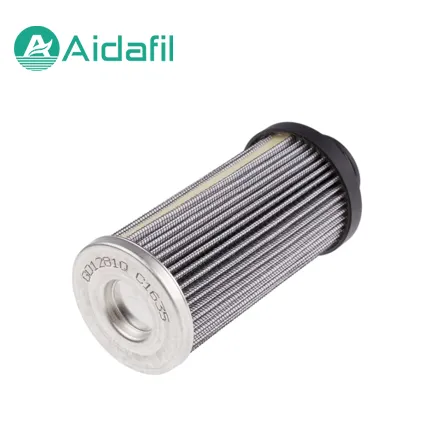
Iniziare con la posizione del filtro e la funzione di sistema
La prima domanda è dove è installato il filtro. Un filtro a linea di pressione, filtro a linea di ritorno, filtro aspirazione, filtro offline e filtro case-drain vedere diverse condizioni di flusso e profili di pressione. Lo stesso grado di micron potrebbe non essere adatto per ogni posizione.
Registrare il circuito e il componente protetto. Una pompa ad alta pressione, servovalvola, valvola proporzionale o attuatore critico può richiedere un obiettivo di pulizia diverso da un semplice circuito di ritorno. Si noti se il filtro funziona continuamente o solo durante parte del ciclo della macchina.
Inoltre confermare il tipo di fluido, la temperatura di funzionamento normale, la viscosità, e se il sistema utilizza olio minerale, fluido biodegradabile, glicole dell'acqua, o un altro mezzo. La compatibilità del sigillamento e dei supporti deve essere verificata contro il fluido effettivo.
Definire il target di pulizia richiesto
I componenti idraulici variano nella loro sensibilità alla contaminazione. Il livello di pulizia dell'obiettivo dovrebbe derivare dalla raccomandazione del produttore dell'attrezzatura o da un requisito di affidabilità documentato. Non scegliere una valutazione di filtrazione solo perché è la migliore disponibile.
Quando si esamina una specifica del filtro, distinguere tra valutazioni nominali e assolute. Un rating nominale descrive un intervallo di filtrazione generale, mentre una valutazione assoluta è legata a un metodo di misura e di prova definito. Se viene fornito un rapporto beta, confermare la dimensione della particella e lo standard di prova ad esso associato.
Un elemento più sottile può migliorare la rimozione delle particelle, ma può anche aumentare la caduta della pressione e ridurre la vita di servizio. La corretta selezione considera il tasso di generazione di contaminazione del sistema, il calo di pressione accettabile e l'intervallo di manutenzione.
Confirm Flow, Pressure, and Differential Pressure
Record the normal flow rate and the maximum flow that can occur during startup, cold-oil operation, or transient conditions. The filter element must handle the required flow without excessive pressure loss.
Confirm the housing pressure rating and the element's collapse or differential-pressure capability. A pressure-line element must be able to withstand the differential pressure that can develop when the element loads. A return-line element may see different conditions but still requires a suitable bypass and collapse rating.
Do not use the system's maximum pressure as the element's differential-pressure rating. These are different values. Check the product drawing and the filter assembly requirements.
Select the Filtration Media
Hydraulic filter media are available in several constructions. Each has a place depending on the application.
Cellulose Media
Cellulose media are widely used in general hydraulic filtration. They can provide efficient particle removal and are often cost-effective for routine service. Their suitability depends on the fluid, temperature, and required service life.
Synthetic Media
Synthetic media can offer a different balance of efficiency, pressure drop, and contaminant holding capacity. They may be selected when the application requires stable performance or a longer service interval. Confirm the exact media specification with the supplier.
Stainless Steel Mesh and Sintered Media
Metal media are cleanable in some applications and can be suitable for high-temperature or chemically demanding conditions. Their filtration behavior differs from disposable pleated media, so the selection should consider pore structure, cleaning method, and acceptable particle retention.
Choose the Seal Material
The seal material must be compatible with the hydraulic fluid and operating temperature. Common seal materials include NBR, FKM, EPDM, PTFE, and silicone, but the correct choice depends on the fluid and the manufacturer's recommendation.
NBR is commonly used with mineral oil, while FKM may be selected for higher temperatures or certain fluids. EPDM can be suitable for some water-based fluids but may not be compatible with mineral oil. Do not change seal material without checking compatibility.
Record whether the element uses O-rings, molded seals, end-cap seals, or a combination. A compatible filter element must seal correctly at the housing interface, not just fit the diameter.
Confirm Dimensions and Connection Details
Measure or obtain the element's height, outside diameter, inside diameter, thread, and connection style. Confirm the sealing surfaces and center-tube interface. If the element is for an existing housing, compare the new specification with the housing drawing rather than a single part number.
Check for features such as locating tabs, bypass valves, anti-drain devices, and orientation. Some filters look similar but cannot be installed in the correct direction or cannot seal against the housing.
Consider Contamination and Maintenance Conditions
The operating environment affects filter life. Dust, moisture, high temperature, cold starts, and frequent pressure cycles can change the rate at which the element loads. A filter that performs well in a clean test bench may have a short service life in a foundry, mining site, or outdoor machine.
Review the maintenance interval and the available differential-pressure indicator. If the element is difficult to access, select a configuration that allows safe and practical replacement. Consider whether the system can be isolated and whether the replacement will introduce contamination.
A Practical Selection Checklist
.Identify the filter location and protected components.
.Confirm the fluid type, viscosity, and operating temperature.
.Record flow and pressure conditions, including cold starts.
.Define the required filtration rating and cleanliness target.
.Select a suitable media construction.
.Confirm seal compatibility.
.Check height, diameters, thread, and sealing interface.
.Verify collapse pressure, bypass arrangement, and differential-pressure limits.
.Review maintenance access and replacement interval.
.Confirm the final data with a supplier or equipment drawing.
Common Selection Mistakes
A frequent mistake is selecting by outer dimensions alone. Another is treating a nominal micron rating as if it were an absolute rating. Some buyers also forget that the filter element, not just the housing, must withstand the differential pressure generated during loading.
Mixing seal materials without checking fluid compatibility can cause swelling, hardening, or leakage. Using a filter with the wrong collapse rating can lead to media damage and uncontrolled bypass. Finally, comparing products only by price can hide differences in media area, efficiency, and service life.


